When we think about biodiversity, it’s easy to picture wildflowers buzzing with bees, birds nesting in hedgerows or butterflies moving through the summer sunshine. But there is another fascinating world of wildlife that comes alive after dark — and we’ve been taking a closer look at it through moth trapping.
As part of our commitment to understanding and protecting the biodiversity around us, we have been working with the National Biodiversity Data Centre to record the moths found on our farm.
A window into the world after dark
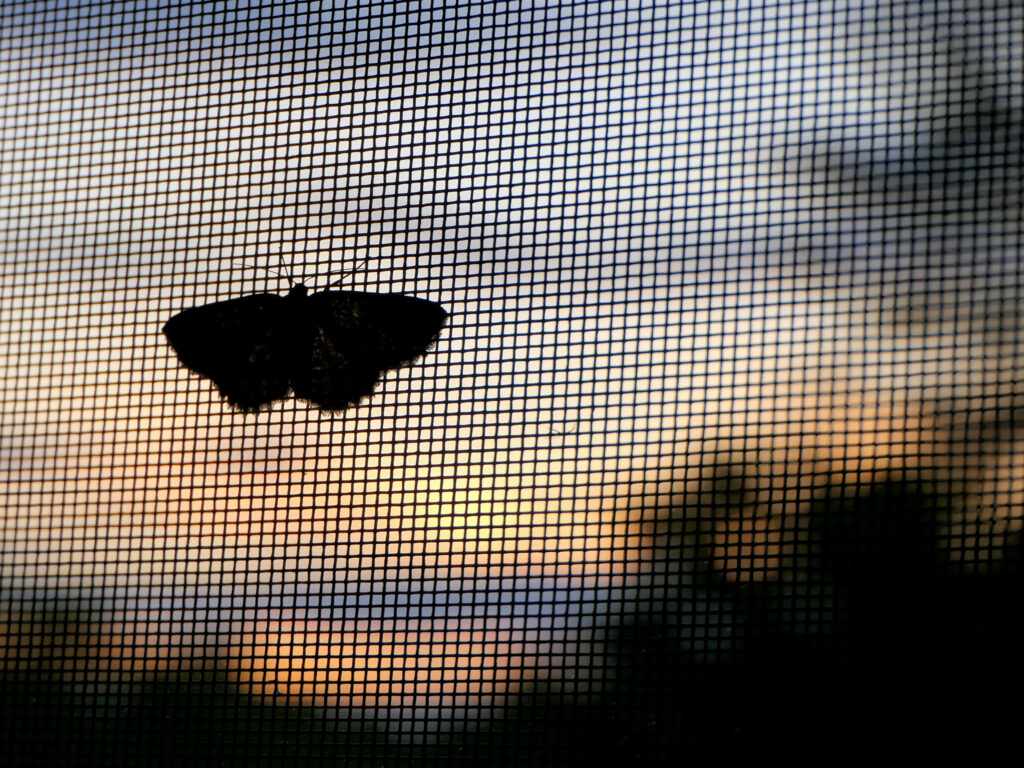
Moths are often overlooked, but they are an important part of our natural environment. They play a valuable role in ecosystems, providing food for birds, bats and other wildlife, while many species also contribute to pollination.
Moth trapping gives us a chance to discover just how much life is active when we’re not looking.
The process is carefully designed to attract moths without harming them. A light trap is set up in a suitable location in the evening and left overnight. By morning, it can reveal an incredible variety of moths — from tiny, beautifully patterned species to larger and more familiar varieties.
Each moth can then be carefully identified and recorded before being released.
Why recording moths matters
Taking part in moth trapping isn’t simply about discovering which species are visiting our farm. The records contribute to a much bigger picture.
By documenting the moths found here and submitting observations to the National Biodiversity Data Centre, we are helping to build a better understanding of Ireland’s biodiversity.
Regular monitoring can help reveal which species are present, how populations change over time and how different habitats support wildlife. These observations are particularly valuable because biodiversity is constantly changing, and long-term records help us understand those changes.
What we find after dark
One of the most enjoyable parts of moth trapping is the element of surprise. Every trapping session can bring something different.
A seemingly quiet field or hedgerow at night can turn out to be remarkably busy. Moths with intricate markings, subtle colours and extraordinary camouflage can appear in the trap — many of which would be almost impossible to spot during the day.
It’s a wonderful reminder that biodiversity isn’t only what we can see in daylight. There is a whole ecosystem continuing around us through the night.
Part of caring for our land
For us, moth trapping is another way of getting to know the land we work with and understanding the wildlife that shares it.
By monitoring moths and other species, we can build a clearer picture of the habitats around us and make more informed decisions about how we manage them. Protecting biodiversity starts with understanding what is there — and sometimes that means switching on a light after dark and seeing who comes to visit!
We’re delighted to support the National Biodiversity Data Centre through our moth trapping and to contribute our records to the wider effort to understand Ireland’s natural heritage.
There is always more to discover, and we’re looking forward to seeing what the next night brings.